Health College Education 2026: Curriculum Transformation, Technology, and Industry Needs
Health College Education 2026: Curriculum Transformation, Technology and Industry Needs
In 2026, health education is projected to experience a significant transformation in line with rapid technological developments, changes in regulations, and the increasing needs of the health industry. Universities no longer only focus on mastering theory, but are required to produce graduates who are work-ready, adaptive and have an understanding of regulations and industrial practices.
This change makes health education a strategic element in building a national health system that is sustainable and globally competitive.
Directions of Health Education in 2026
Entering 2026, health education is moving in a more integrated and applicable direction. Some of the main directions that stand out include:
Industry Needs Based Curriculum
Universities are starting to align curricula with the real needs of the health industry, such as pharmaceuticals, medical devices, hospitals and digital health services. Students not only learn academic concepts, but also case studies and industry-based practices.
Technology Integration in Learning
The use of technologies such as e-learning, digital simulations, artificial intelligence (AI), and virtual laboratories is increasingly common. This technology helps students understand clinical processes, research and health management more realistically and efficiently.
Increased Practical Learning and Internships
Industrial internship programs, project-based learning, and collaboration with health service facilities are an important part of health education. This approach aims to increase graduates' readiness to face the world of work.
Challenges of Health College Education
Even though transformation continues to be carried out, health education still faces a number of challenges, such as:
-
The gap between academic curriculum and industry needs
-
Limited practice and laboratory facilities
-
Students' lack of understanding of health regulations
Without a collaborative approach, these challenges can hinder graduates' readiness to enter the increasingly competitive health sector.
The Role of Collaboration in Health Education
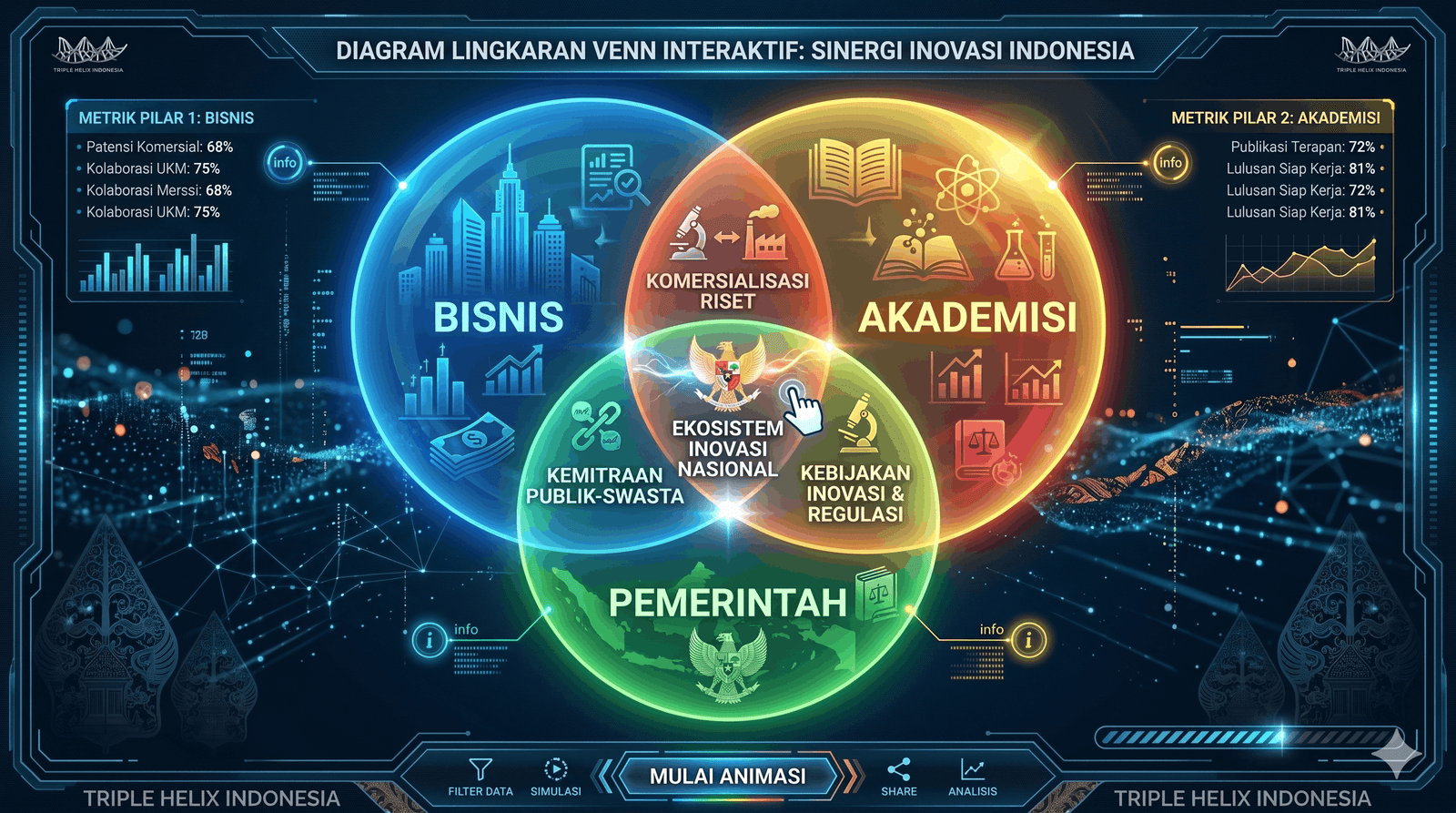
A collaborative approach between universities, industry and government is the key to strengthening health education. Through this collaboration, students gain a balanced understanding of theory, practice and regulations.
The Triple Helix model encourages the creation of an educational ecosystem that not only produces competent graduates, but also contributes to innovation and development of the national health industry.
Health Education and Career Readiness of Graduates
Health college education in 2026 is directed at producing graduates who have:
-
Strong academic and technical competencies
-
Understanding of health standards and regulations
-
Ability to adapt to technological developments
-
Ethics and professional responsibility
With this approach, graduates are expected to be able to play an active role in improving the quality of health services and industrial competitiveness.
Conclusion
Health college education in 2026 will be an important foundation in creating superior and sustainable health human resources. Curriculum transformation, use of technology, and cross-sector collaboration are the main factors in responding to the challenges of the future health industry. With the right education, health graduates will be ready to contribute significantly to society and the development of the national health system.